
large bathroom mirror with lights
The Versatility and Importance of Metal Strainers in Culinary Practices In the world of culinary arts, the tools and equipment used can significantly influence the final outcome of a dish. Among these essential tools, metal strainers hold a special place owing to their versatility and durability. Whether you are a professional chef or a home cook, understanding the various applications and benefits of metal strainers can elevate your cooking experience. Metal strainers, typically made of stainless steel, are designed to separate solid particles from liquids. They come in various shapes and sizes, from small handheld options to large colanders that can be used for bulk cooking. The design often includes a fine mesh that allows liquid to pass through while trapping larger food particles. This feature makes them indispensable for a multitude of culinary tasks. One of the primary uses of a metal strainer is for draining pasta. Cooking pasta is a staple in many kitchens, and once the pasta is al dente, it must be drained efficiently. A metal strainer allows for quick drainage without losing any pasta in the process. Unlike plastic strainers, which may warp or discolor with repeated use, metal strainers can withstand high temperatures and heavy loads, making them a longer-lasting choice. Metal strainers are also essential for washing fruits and vegetables. A quick rinse in a metal colander can help remove dirt and pesticides from produce. The durability of the metal ensures that the strainer will hold up against the weight of water and food without bending or breaking. Moreover, many metal strainers come with handles or hooks that allow them to be conveniently positioned over sinks or pots, facilitating easy cleaning. metal strainer Another critical application of metal strainers is in the preparation of sauces and broths. When you want to achieve a smooth, velvety sauce without any lumps, a metal strainer can be your best friend . After cooking, simply pour the mixture through the strainer to separate the solids, resulting in a refined sauce perfect for any dish. Similarly, when making homemade broth or stock, a metal strainer can effectively filter out bones, herbs, and other impurities. In baking, metal strainers are equally useful. When sifting flour or powdered sugar, a metal strainer can help aerate the ingredients, resulting in a lighter, fluffier texture in baked goods. Furthermore, sifting is an essential step in many recipes to ensure even distribution of dry ingredients, and metal strainers make this process quick and efficient. Beyond the kitchen, metal strainers have applications in various industries, including brewing and winemaking. In these fields, they are used to filter out solids from liquids, ensuring a clean, clear product. The food-grade quality of stainless steel makes metal strainers ideal for these applications, as they do not react with acidic ingredients or compromise the flavor of the final product. Maintenance and care for metal strainers are relatively easy. Most can be washed in a dishwasher or by hand with warm soapy water. The resistance of metals like stainless steel to rust and corrosion ensures longevity, making them a worthwhile investment in any kitchen. Additionally, their sleek design and polished finish add a touch of elegance to culinary tools. In conclusion, metal strainers are crucial tools in every kitchen, renowned for their versatility and durability. From draining pasta to washing produce and filtering sauces, their applications are extensive and invaluable. Their strong construction guarantees long-term use, while their ease of maintenance enhances their appeal. As one continues to explore the culinary arts, embracing tools like metal strainers not only improves efficiency but also the overall quality of the food being prepared. Therefore, whether you are a seasoned chef or an enthusiastic home cook, adding a sturdy metal strainer to your kitchen toolkit is a decision you won’t regret.
about
large bathroom mirror with lights
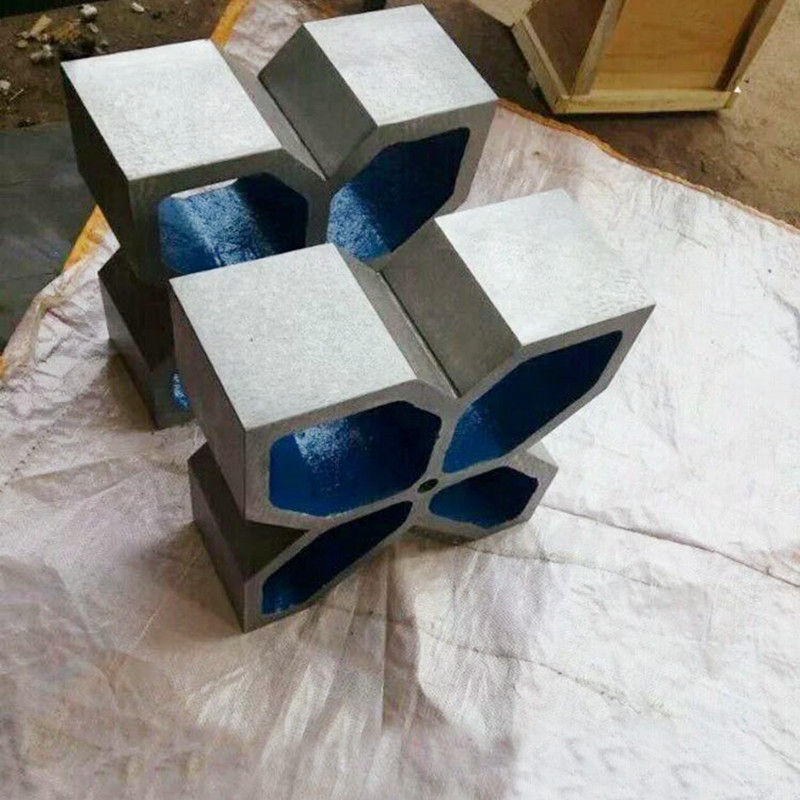
Using V Blocks An Essential Tool for Precision and Accuracy in Machining In the world of machining and manufacturing, precision is paramount. To achieve the exact specifications required for components, machinists rely on a variety of tools and techniques. One of these indispensable tools is the V block. This simple yet highly effective device serves as a fixture for holding workpieces, ensuring that they are positioned securely and accurately during various machining processes. This article explores the uses, advantages, and best practices associated with V blocks in machining environments. What are V Blocks? V blocks are precision-milled blocks, typically made of metal, that feature a V-shaped groove on one or more sides. This design allows them to hold cylindrical workpieces, such as shafts or rods, firmly in place. V blocks come in various sizes, and they can be purchased individually or as part of a larger set. They are often used in conjunction with clamps and other equipment to create a stable workstation. Applications of V Blocks V blocks are used in a wide range of applications across different sectors of machining and manufacturing. Here are some common uses 1. Holding Cylindrical Workpieces The primary function of a V block is to securely hold cylindrical objects. By resting a workpiece in the V-shaped groove, it prevents movement during processing, allowing for accurate machining. 2. Drilling and Tapping In machining operations where drilling or tapping is required, V blocks provide stability for the workpiece, ensuring that the drill bit or tap remains aligned with the desired entry point. 3. Measuring and Inspection V blocks are also valuable in measurement and inspection processes. For example, when using a caliper or gauge to check the dimensions of a cylindrical part, a V block provides a steady surface that enhances accuracy. 4. Indexing Workpieces For operations that require flipping or rotating a workpiece, V blocks can be used to index positions, allowing for repeatable set-ups without the need for re-alignment. Advantages of Using V Blocks The benefits of utilizing V blocks in machining operations extend beyond just their ability to hold components. Here are some key advantages using v blocks 1. Improved Accuracy By securely holding workpieces, V blocks reduce the likelihood of errors related to movement during machining. This contributes to higher precision and quality in the final product. 2. Ease of Use V blocks are simple tools that can be easily positioned and adjusted. Their design promotes efficiency, allowing machinists to focus on the task at hand rather than wrestling with poorly secured workpieces. 3. Versatile Applications V blocks can be used with a variety of machines, including drill presses, lathes, and milling machines. Their versatility makes them a valuable addition to any workshop. 4. Cost-Effective Solution Compared to other holding fixtures, V blocks are relatively inexpensive. Their cost-effectiveness does not compromise performance, making them a wise investment for any machining operation. Best Practices for Using V Blocks To maximize the effectiveness of V blocks, consider these best practices 1. Choose the Right Size Select a V block that fits your workpiece size. Using an appropriately sized block ensures optimal stability and support. 2. Secure the Workpiece Always use appropriate clamps or straps to secure the workpiece in place. This prevents any movement during machining, safeguarding against inaccuracies. 3. Regular Maintenance Keep V blocks clean and free of debris. Regularly check for wear and tear to ensure they continue to perform effectively. 4. Use With Other Tools Combine V blocks with other holding fixtures, like vises and jigs, for more complex machining tasks. This enhances stability and accuracy further. In conclusion, V blocks are a fundamental component in the toolset of any machinist. Their ability to hold cylindrical workpieces securely while providing the precision necessary for high-quality machining makes them invaluable. By understanding their applications and adhering to best practices, machinists can significantly enhance their workflow and achieve superior results in their machining tasks.
-

High quality industrial productsagement

High quality industrial products
View Details -

Meet the diverse needs of customers

Meet the diverse needs of customers
View Details -

Strict quality control

Strict quality control
View Details -

Top raw materials

Top raw materials
View Details -

Trusted supplier

Trusted supplier
View Details
Our application

news and information
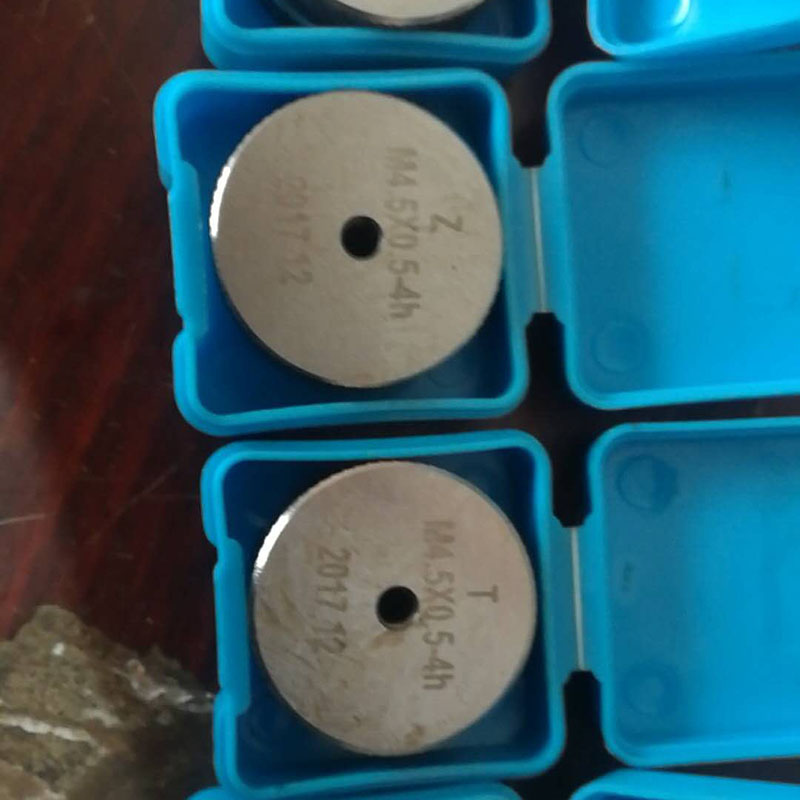
y strainer pn16
Understanding Y-Strainers and Their Importance in PN16 Applications In industrial applications, flui

which way to turn off water valve
Turning off a water valve might seem like a straightforward task, but understanding the nuances can
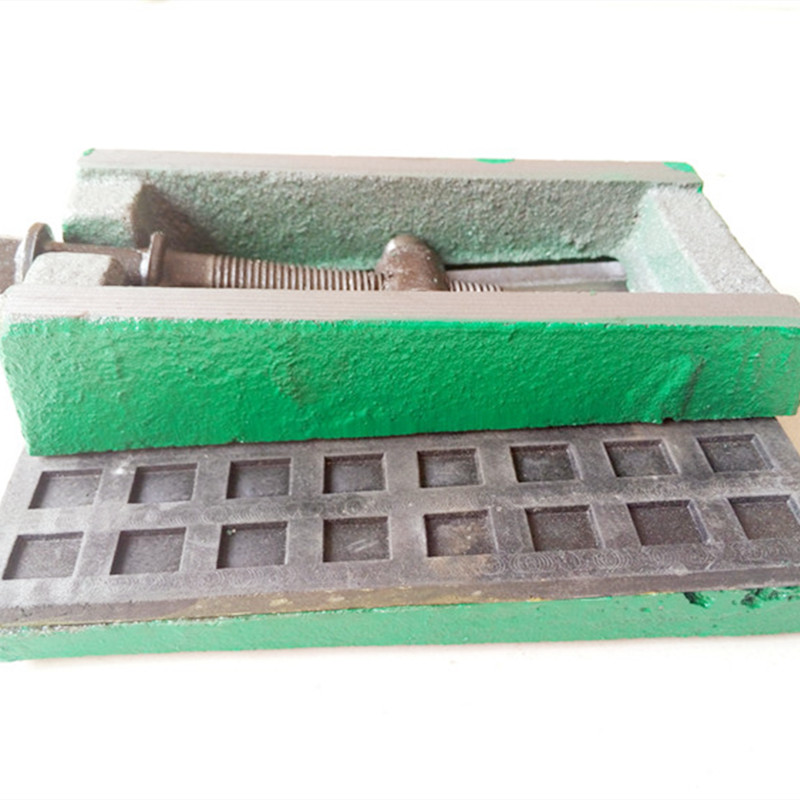
welding table supplier
Finding the Right Welding Table Supplier A Guide for Professionals Welding is an essential process i
 English